
CALL US
Dumpster Rental for Roof Shingle Disposal: Everything You Need to Know
Replacing your roof is one of the most important upgrades you can make to your home — but once the new shingles go up, you’re left with a big question: where to dump shingles?
Roof tear-offs generate heavy, bulky debris that regular trash services simply can’t handle. From old roofing shingles to underlayment, nails, and flashing materials, proper roofing shingle disposal requires planning, compliance with local regulations, and the right equipment.
In this blog, we’ll walk you through everything you need to know about shingle disposal, including why a roll off dumpster rental is often the best solution and how to safely rent a dumpster for your roofing project.
Why Roof Shingle Disposal Is Different
Unlike everyday household waste, roofing shingles are:
- Extremely heavy
- Bulky and dense
- Sometimes layered multiple times
- Mixed with nails and construction debris
A typical asphalt shingle roof can produce 2–4 tons of waste depending on size and layers removed. That’s far beyond what standard curbside pickup allows.
This is why many homeowners quickly start searching for where to dump shingles once their roofing project begins.
What Are Old Roofing Shingles Made Of?
Understanding the material helps explain why proper disposal matters.
Most old roofing shingles contain:
- Asphalt
- Fiberglass matting
- Mineral granules
- Tar-based compounds
Because of their weight and composition, shingles must be disposed of at approved landfills or recycling facilities.
Improper dumping can lead to environmental fines and legal penalties.
Common Roof Shingle Disposal Options
When it comes to roofing shingle disposal, you typically have four options:
1. Landfill Disposal
You can transport shingles directly to a landfill that accepts construction debris.
However, this often requires:
- Multiple truck trips
- Dump fees per ton
- Time and fuel costs
- Proper vehicle capability
For larger roofing jobs, this option quickly becomes inconvenient.
2. Shingle Recycling
Some facilities recycle asphalt shingles into road paving materials.
Recycling is eco-friendly but:
- Not all regions offer it
- Requires sorting clean materials
- May have contamination restrictions
Before choosing this option, verify local recycling availability.
3. Hiring a Roofing Contractor
Many contractors include shingle disposal in their service package. While convenient, always confirm:
- Dumpster size included
- Weight limits
- Overage charges
- Cleanup responsibilities
If disposal isn’t included, you may need to arrange your own solution.
4. Roll-Off Dumpster Rental (Most Popular Option)
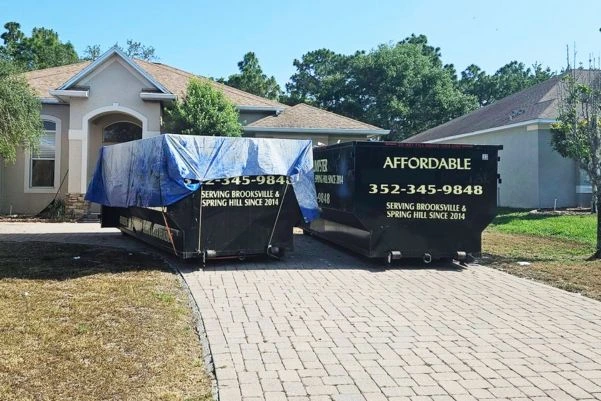
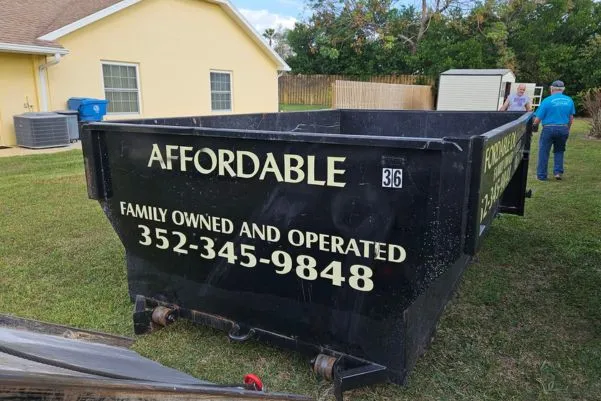
For most homeowners, a roll off dumpster rental is the simplest and most cost-effective choice.
A roll-off dumpster is delivered to your property, filled during the project, and picked up afterward. No hauling. No multiple trips. No mess.
If you plan to rent a dumpster, you’ll have full control over the disposal process.
Why Renting a Dumpster Is Ideal for Shingle Disposal
Here’s why many homeowners prefer to rent a dumpster:
1. Handles Heavy Loads
Roof shingles are dense. Dumpsters are designed to handle construction-grade debris.
2. Saves Time
No repeated trips to landfills.
3. Keeps Property Clean
Debris stays contained, reducing nail hazards and mess.
4. Prevents Project Delays
Roofers can work efficiently without waiting for debris removal.
5. Predictable Pricing
Flat-rate pricing often includes delivery, pickup, and disposal fees.
Choosing the Right Dumpster Size
Because shingles are heavy, choosing the correct size is critical.
10-Yard Dumpster
Best for:
- Small roof replacements
- Single-layer shingle removal
- Small homes
20-Yard Dumpster
Best for:
- Medium-sized homes
- Two-layer tear-offs
- Larger roofing surfaces
30-Yard Dumpster
Best for:
- Large homes
- Multi-layer roofing
- Extensive construction debris
Keep in mind: weight limits matter more than volume for shingles.
Your rental provider can guide you to avoid overweight charges.
Weight Considerations for Roofing Shingles
A single square (100 square feet) of asphalt shingles weighs between 200–350 pounds.
For a 2,000-square-foot roof:
- You could generate 4,000–7,000 pounds of debris.
That’s why proper roofing shingle disposal planning is essential before your project begins.
What You Can and Cannot Throw in the Dumpster
When arranging shingle disposal, confirm what materials are accepted.
Typically Allowed:
- Asphalt shingles
- Underlayment
- Flashing
- Roofing nails
- Roof decking (in some cases)
Typically Prohibited:
- Hazardous chemicals
- Asbestos shingles
- Paint
- Batteries
- Tires
If your home was built decades ago, testing for asbestos may be required before disposal.
Tips Before You Rent a Dumpster
If you plan to rent a dumpster, keep these tips in mind:
1. Schedule Delivery Before Project Start
Ensure the dumpster arrives before roof removal begins.
2. Choose Proper Placement
Place it in a driveway or clear area with truck access.
3. Protect Your Driveway
Consider plywood boards under the dumpster to prevent damage.
4. Confirm Rental Period
Most rentals range from 7–14 days.
5. Avoid Overfilling
Debris must stay below the top edge for safe transport.
Cost of Roofing Shingle Disposal
Dumpster rental costs depend on:
- Dumpster size
- Weight limits
- Rental duration
- Location
- Type of debris
Because shingles are heavy, exceeding weight limits may result in additional fees.
Getting a clear quote upfront prevents surprises.
Environmental Considerations
Improper disposal of old roofing shingles can:
- Contribute to landfill overflow
- Harm local ecosystems
- Result in fines
Many areas now encourage recycling asphalt shingles for roadway use. Ask your rental company about eco-friendly disposal options.
When Is a Dumpster Absolutely Necessary?
You should strongly consider a roll off dumpster rental if:
- You’re replacing more than 1,000 square feet of roofing
- Your roof has multiple shingle layers
- You’re doing a DIY tear-off
- Contractors are not handling disposal
- Local trash service won’t accept construction debris
In these cases, trying to manage debris yourself often becomes more expensive and stressful.
If you’re planning a roof replacement, don’t overlook the importance of proper roofing shingle disposal. Asking where to dump shingles after the project begins can lead to delays and unexpected costs.
A roll off dumpster rental offers a convenient, safe, and cost-effective solution for handling heavy old roofing shingles and construction debris. When you rent a dumpster, you simplify the cleanup process, protect your property, and ensure compliance with local regulations.
Roof replacements are major investments — and smart disposal planning makes the entire process smoother from start to finish.