
CALL US

How to Get Rid of Wood and Lumber: When and Why a Dumpster Is the Best Solution
Wood waste can pile up quickly—whether you’re remodeling your home, replacing a deck, tearing down a shed, or finishing a large construction project. From broken pallets and plywood scraps to pressure-treated lumber and old cabinets, figuring out how to dispose of wood properly can feel overwhelming.
If you’re looking for the best way to dispose of wood, this blog walks you through your options, local considerations, and why renting a dumpster is often the safest, most convenient solution.
Why Proper Wood Disposal Matters
Before deciding where to get rid of wood, it’s important to understand why proper disposal is essential.
1. Environmental Responsibility
Not all wood can be thrown in regular trash. Treated, painted, or stained wood may contain chemicals that can harm the environment if improperly discarded.
2. Local Waste Regulations
Many cities have strict rules about wood disposal, especially for construction debris. Leaving lumber at the curb or mixing it with household trash may result in fines.
3. Safety Concerns
Old lumber often contains nails, screws, splinters, or rot. Improper handling can cause injuries and create hazards on your property.
Types of Wood You May Need to Dispose Of
Understanding the type of wood waste you’re dealing with helps determine the best disposal method.
Untreated Wood
- Clean lumber scraps
- Wooden furniture (unpainted)
- Tree branches
This type of wood may sometimes be recycled or repurposed.
Treated or Painted Wood
- Pressure-treated deck boards
- Painted trim or siding
- Stained fencing
This wood cannot usually be burned or composted due to chemical treatments.
Construction and Demolition Debris
- Plywood sheets
- Framing lumber
- Cabinets and doors
- Flooring
Large volumes of construction debris typically require a more structured disposal solution.
Common Methods for Disposing of Wood
If you’re wondering where to get rid of wood, here are the most common options:
1. Local Landfills or Transfer Stations
You can transport wood waste to a landfill yourself. However:
- You’ll need a truck.
- Fees are often based on weight.
- Multiple trips may be required.
For small loads, this may work. For large renovation projects, it quickly becomes inconvenient.
2. Recycling Centers
Some facilities accept clean, untreated wood for recycling or repurposing. Always call ahead to confirm acceptance policies.
3. Donation or Repurposing
If the lumber is still usable, consider donating it to local builders or community projects.
4. Curbside Pickup
Most municipalities limit the amount of construction debris collected at the curb. Bulk pickup services may charge additional fees.
When a Dumpster Is the Best Solution
While small amounts of scrap wood can be disposed of locally, larger projects require a more efficient method. This is where a professional dumpster rental service becomes the ideal solution.
Here’s when renting a dumpster makes sense:
1. Major Renovations or Remodeling
Kitchen remodels, deck removals, roof replacements, or full home renovations generate significant wood waste. A dumpster keeps debris contained and organized throughout the project.
2. Demolition Projects
Tearing down a shed, fence, or garage produces bulky lumber that can’t simply be bagged or stacked for curbside pickup.
3. Large Cleanup Jobs
Storm damage or property cleanouts often leave piles of broken wood, fencing, or structural materials.
4. Tight Timelines
If you need everything cleared quickly, a dumpster allows continuous disposal without multiple trips to the landfill.
Benefits of Using a Dumpster for Wood Disposal
Convenience
With a dumpster placed directly on your property, you can toss materials as you work. No loading and unloading trucks repeatedly.
Cost-Effective
When factoring in fuel, landfill fees, and time, renting a dumpster is often more affordable for large projects.
Safety
Keeping wood debris contained reduces the risk of injuries from nails and splinters scattered around your yard or job site.
Proper Disposal
Professional dumpster providers ensure responsible wood disposal in accordance with local regulations.
Choosing the Right Dumpster Size
Selecting the correct dumpster size is crucial. Too small, and you’ll need multiple hauls. Too large, and you may overpay.
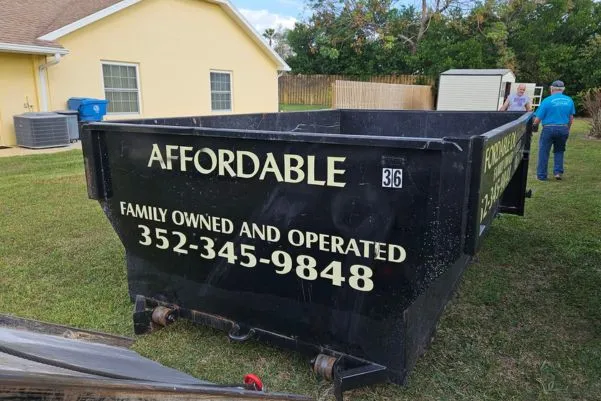
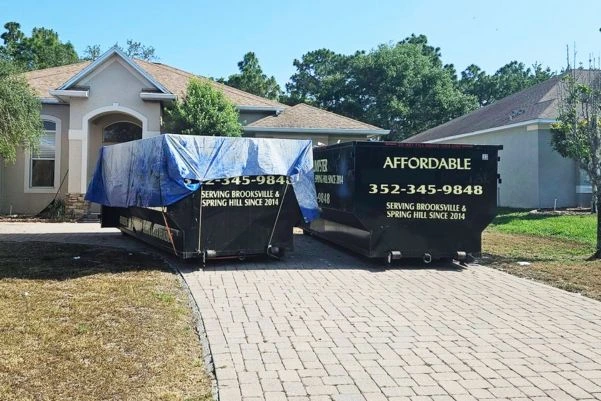
For medium to large renovation projects, a 25 yard dumpster rental is often the ideal option.
Why a 25-Yard Dumpster Works Well for Wood:
- Holds bulky lumber and framing materials
- Ideal for deck removals and roofing jobs
- Suitable for construction debris from medium-sized remodels
- Reduces the need for multiple pickups
This size offers the perfect balance between capacity and space efficiency.
What Can and Cannot Go in a Dumpster?
Before starting disposing of wood, check with your rental provider about restrictions.
Typically Accepted:
- Lumber
- Plywood
- Framing wood
- Wooden cabinets
- Fencing
Often Restricted:
- Hazardous chemicals
- Paint cans with liquid paint
- Certain treated woods (varies by provider)
Always confirm guidelines to avoid additional fees.
How to Prepare Wood for Disposal
To maximize space in your dumpster and make the process efficient:
- Break down large wooden structures.
- Remove metal attachments when possible.
- Stack lumber neatly to optimize space.
- Avoid mixing prohibited materials.
These small steps help you get the most value from your rental.
Environmental Considerations
Many dumpster companies work with recycling facilities to ensure that reusable wood materials are separated when possible. Responsible wood disposal reduces landfill waste and promotes sustainability.
If environmental impact matters to you, ask your provider about their recycling practices.
The Smart Way to Get Rid of Wood
Whether you’re tackling a home renovation, cleaning up after a storm, or managing a construction site, knowing how to dispose of wood efficiently can save you time, money, and stress.
While small amounts of wood can sometimes be recycled or hauled to a landfill yourself, large volumes quickly become overwhelming. Renting a professional dumpster offers:
- Convenience
- Safety
- Regulatory compliance
- Cost efficiency
- Peace of mind
If you’re unsure where to get rid of wood from your next project, a reliable dumpster rental solution is often the simplest and smartest choice.
By planning ahead and choosing the right dumpster size, you can handle disposing of wood quickly and responsibly—keeping your property clean and your project on track.